2 November 2026
The 28 Million Tonne Question - Closing Europe's Fossil-Free Polymer Gap
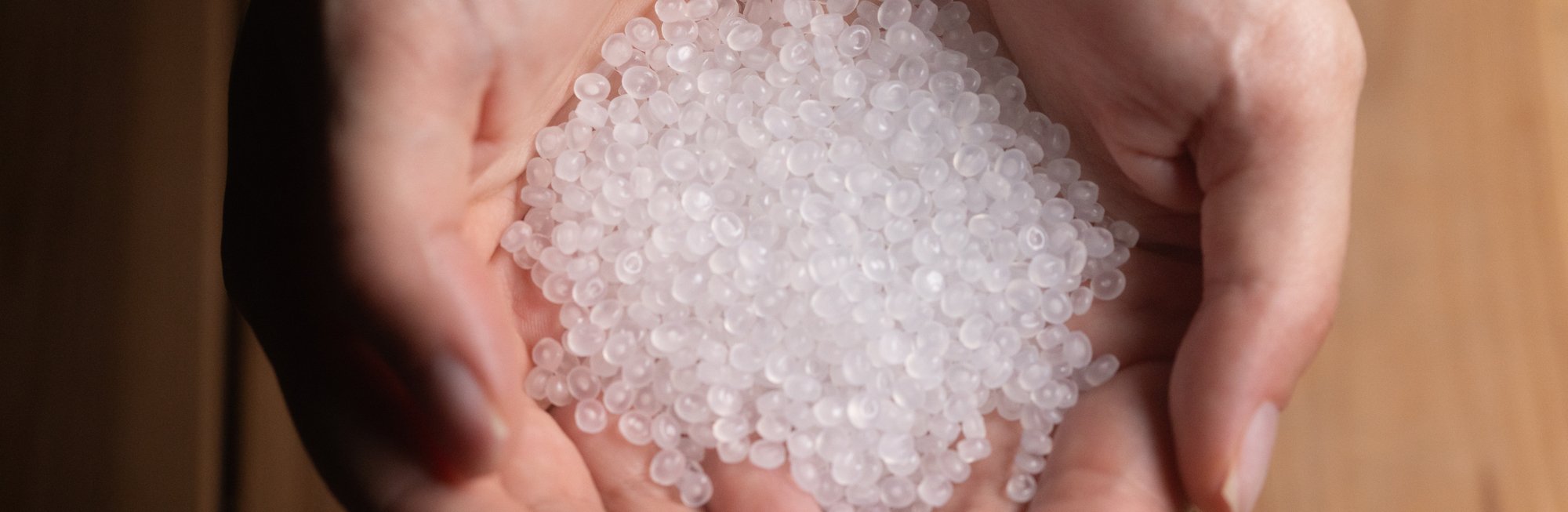
Fossil-free polymers perform exactly like the fossil-based versions and can be recycled the same way. Each tonne can avoid around 6 tonnes of CO₂. But three barriers are holding the market back:
🔹 EU law can’t tell them apart. Fossil-based and non-fossil polymers are treated as the same thing, so the climate benefit goes completely unrecognised.
🔹 Producers carry the whole green premium. Feedstock costs are about 1.8-2x higher, but the price of many consumer products would rise by less than 1%.
🔹 “Made in EU” rules could come too early. Origin requirements could shut out the feedstocks and early supply needed to build the market before Europe has enough capacity of its own.
In our new white paper, we call on the EU to:
✅ Make certified non-fossil carbon its own legal category
✅ Create predictable demand through targeted measures
✅ Share the green premium across the value chain using existing tools
✅ Add European-origin preferences only once EU capacity can meet demand
More news from Vioneo

Our response to the EU's evaluation of the Single-Use Plastics Directive
Why Europe’s plastics policy must distinguish between fossil-based and fossil-free materials

Update
Vioneo remains strongly committed to bringing fossil-free plastics to market. As such it is proceeding with its alternative production plant, located in China near green methanol supply, as its first commercial-scale facility.